Before buying black truffle for a restaurant or catering service, define what it will do in the dish, how many covers you expect and when it must arrive. Price per kilogram is only part of the decision. Variety, ripeness, format, usable quantity and delivery all affect both the culinary result and the true cost per guest.
A well-planned professional purchase does not begin with “how much is it?” but with a clear explanation of how the truffle will be used. That information helps the supplier adjust the order, reduces leftovers and makes it more likely that you receive a truffle suited to slicing, grating, incorporating into a sauce or finishing a dish in front of the guest.
Start with the service, not the size of the truffle
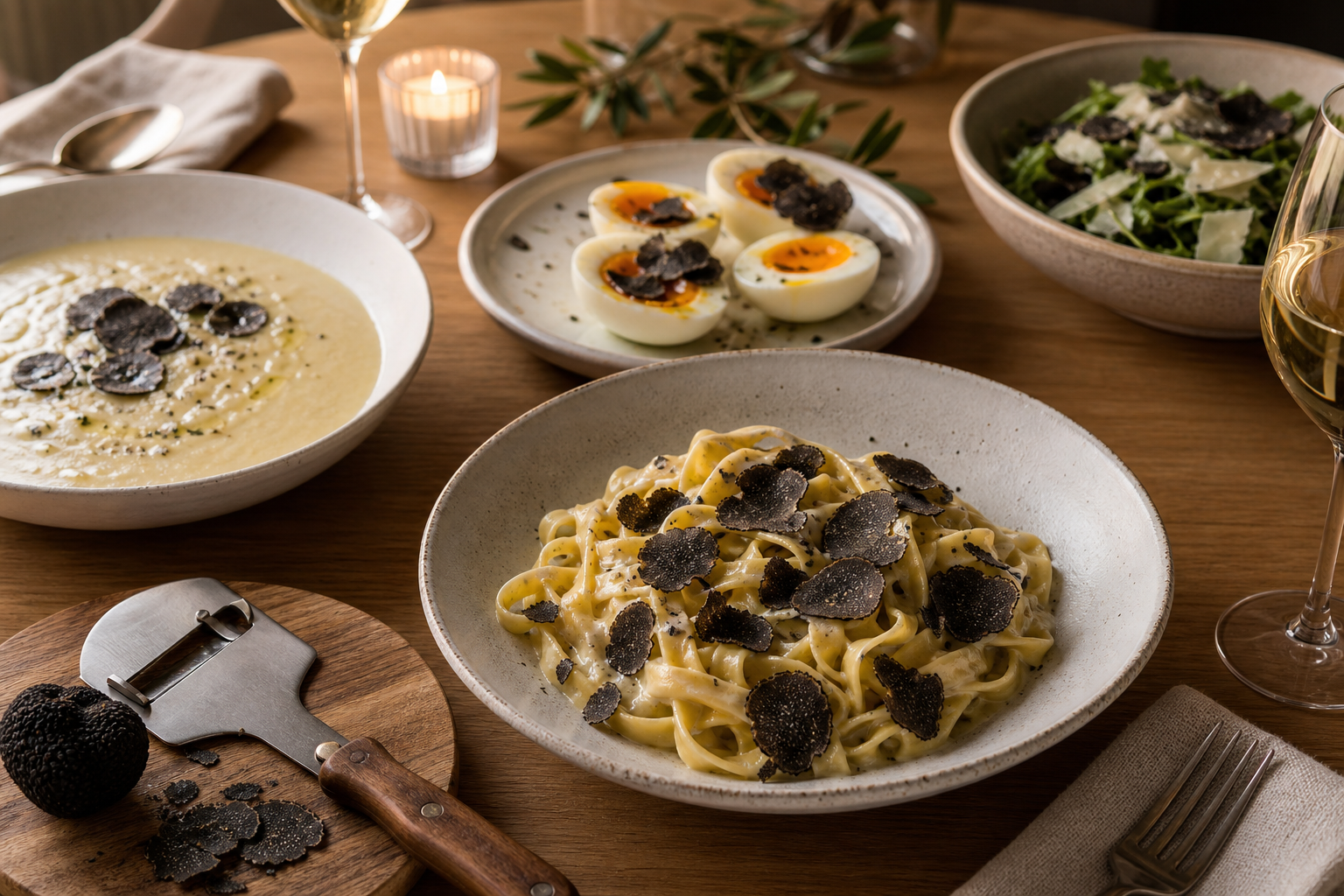
Before requesting a quotation, confirm the event or menu dates, the expected number of guests and the dishes in which truffle will appear. Decide whether it will be the main feature, an aromatic finish or a supporting ingredient.
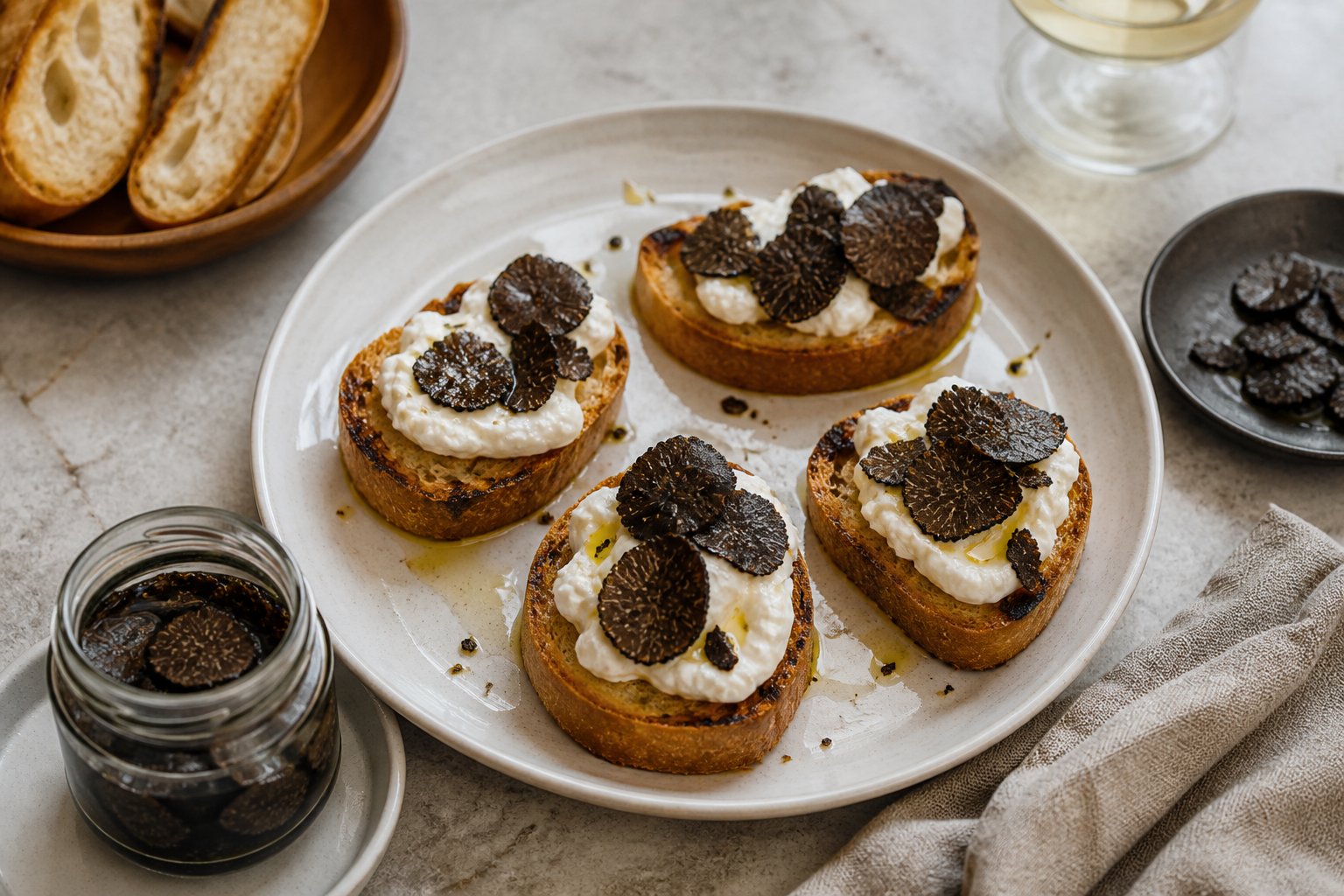
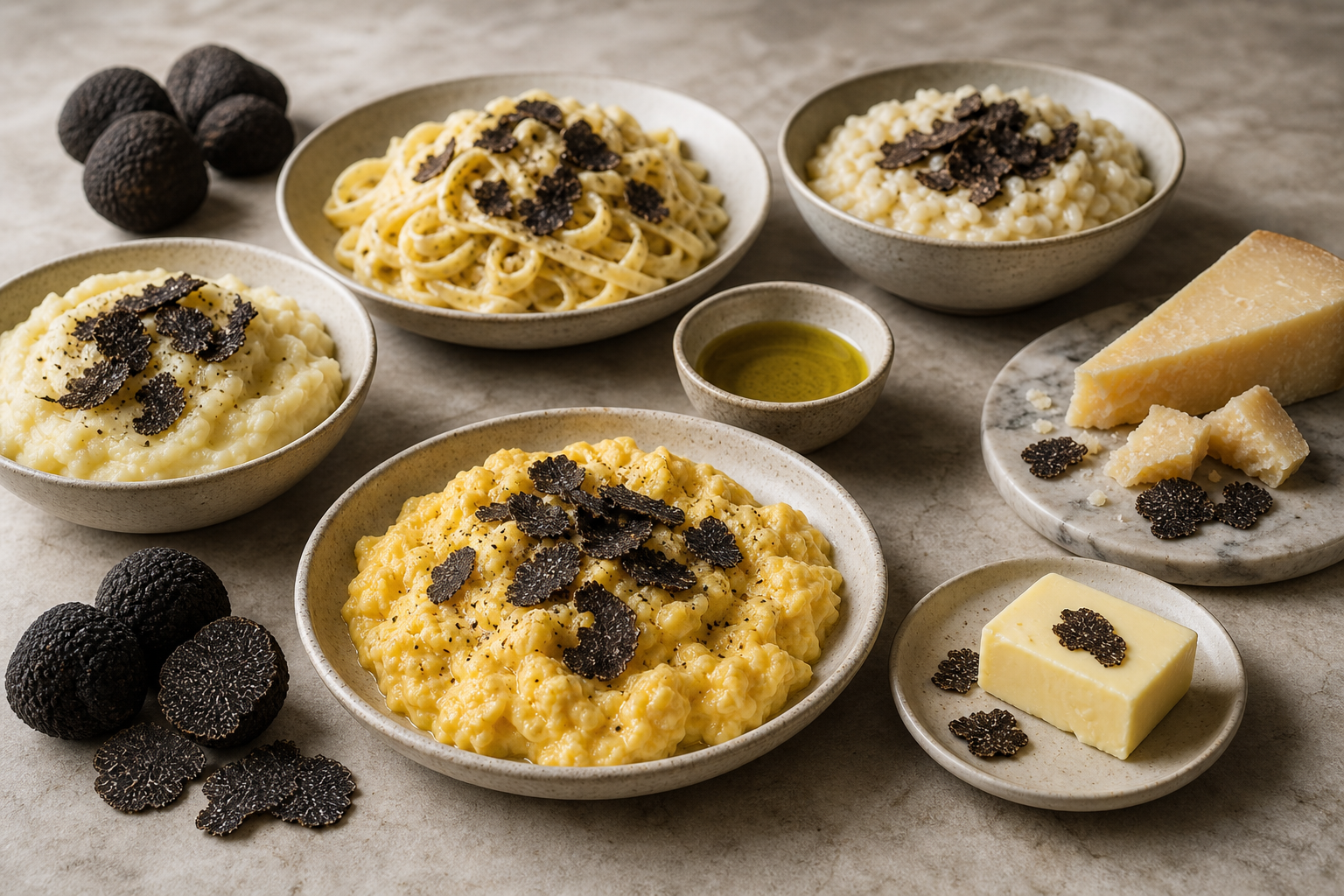
This approach makes the quantity easier to estimate. A tasting menu with several truffled preparations will not require the same allocation as one dish finished with a few slices. For planning guidance, see how much black truffle to use per person, then adapt the calculation to the cut, recipe and desired prominence.
For catering, add a reasoned operational margin rather than buying a large surplus “just in case”. The margin should cover realistic changes in attendance or yield. Fresh truffle is at its best when purchasing and use are planned precisely.
Confirm the variety and origin
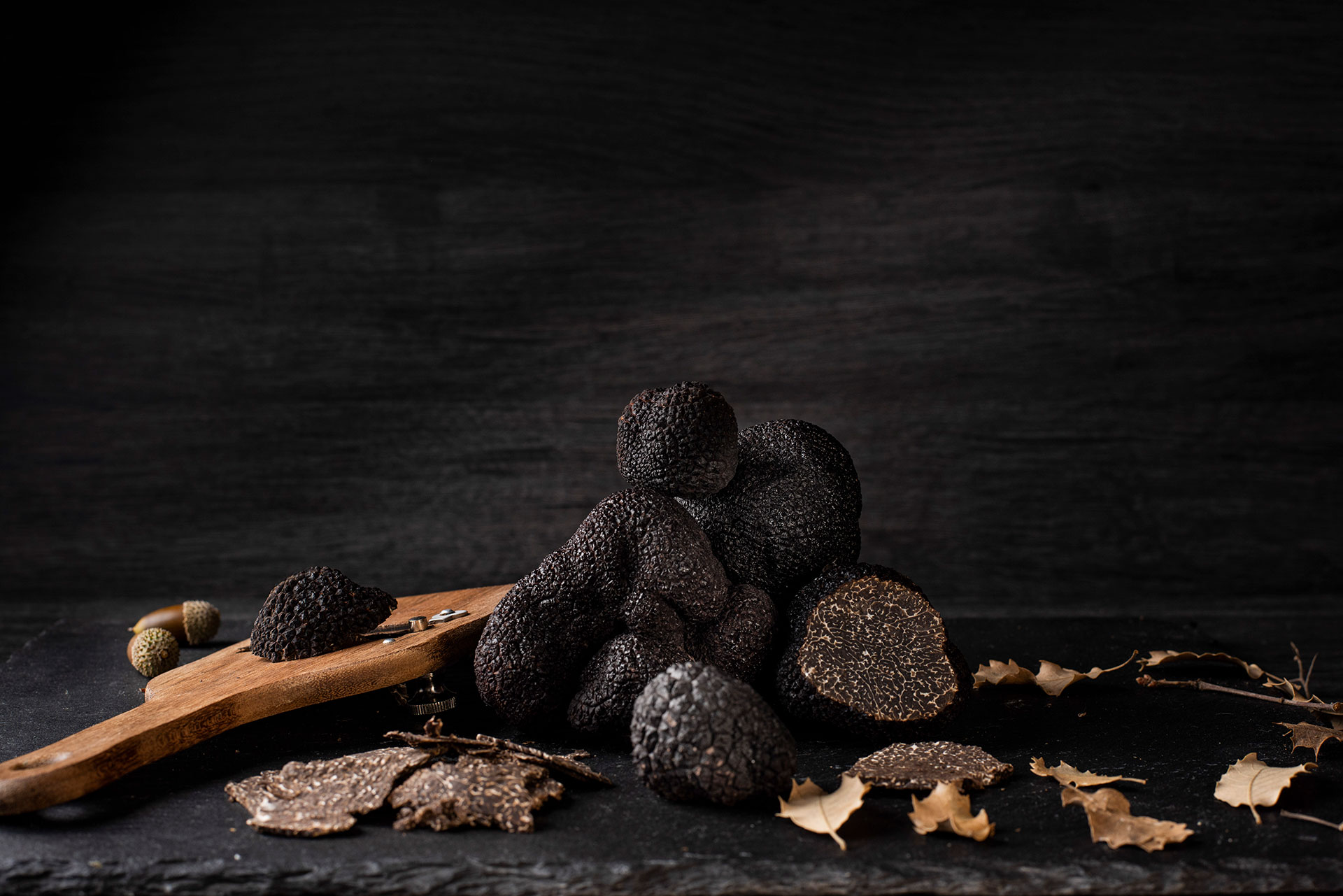
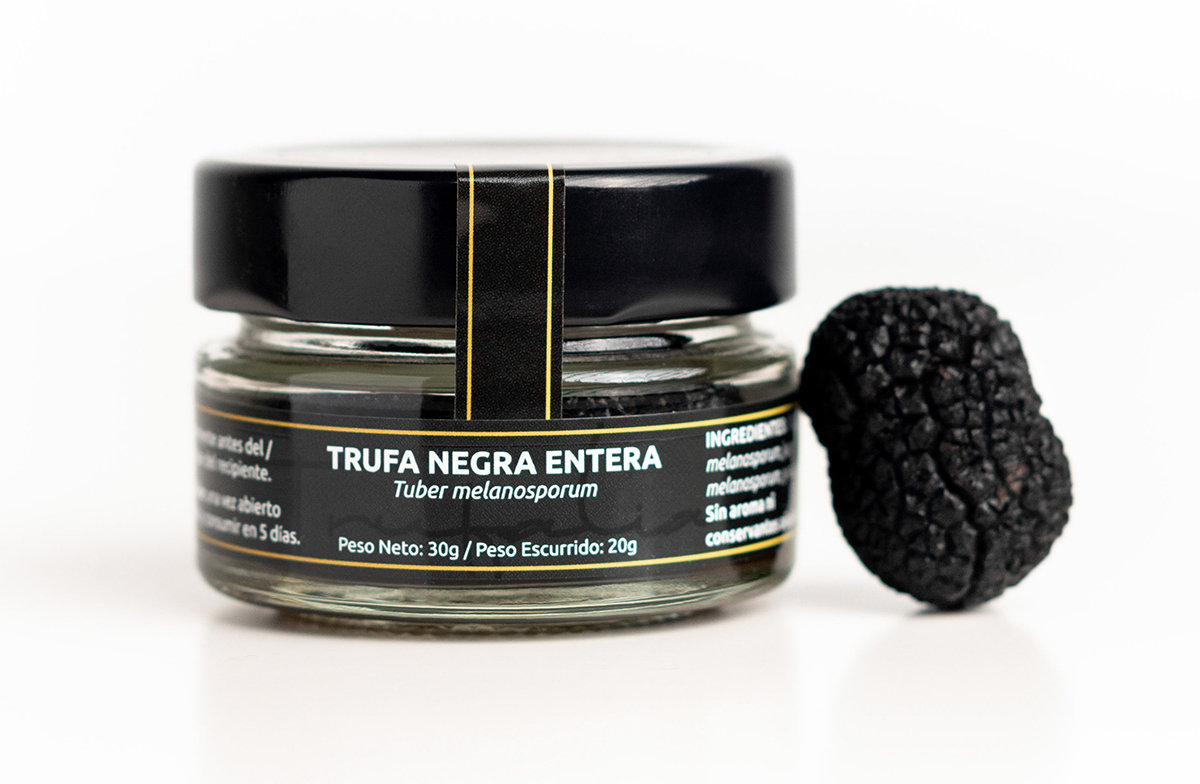
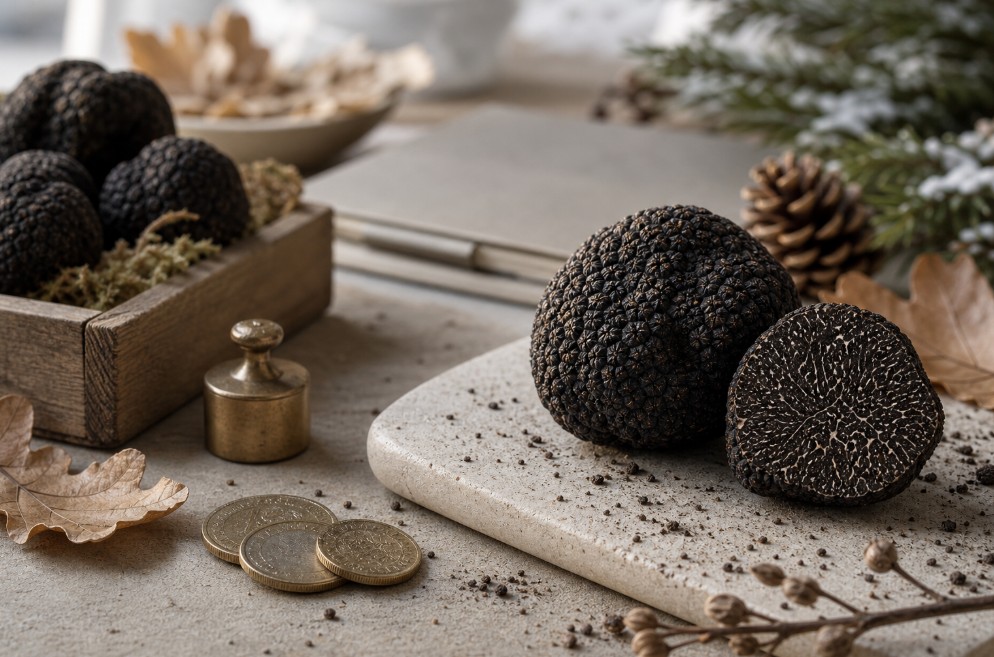
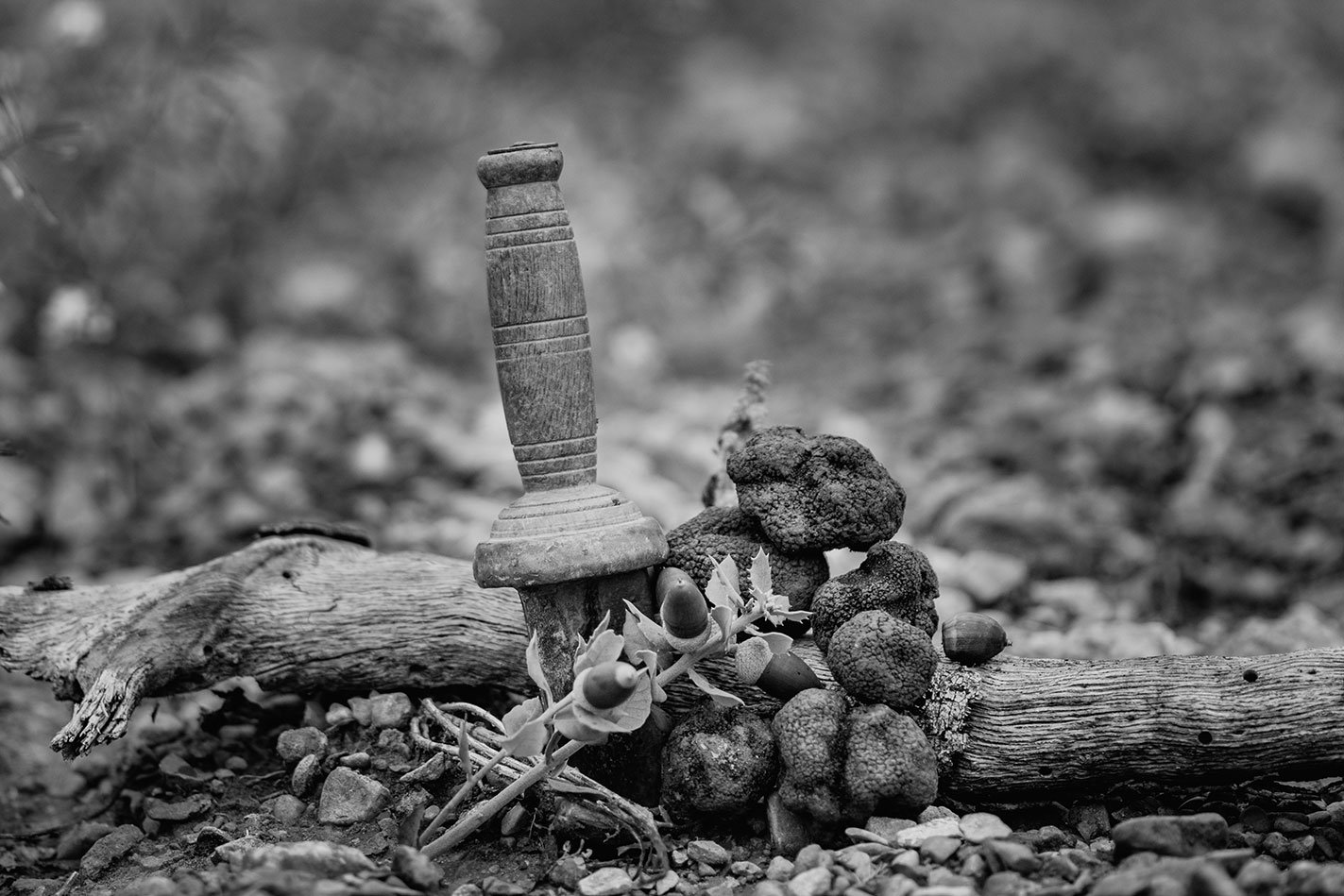
The black truffle sold by Trufalia is Tuber melanosporum Vitt.. Botanical identification matters because other truffles may look similar on the outside while offering a different interior, aroma and culinary behaviour. Authentic black truffle has dark flesh crossed by pale veins and a characteristic aroma. It should not be confused with varieties whose flesh is white or beige and whose aroma is less intense.
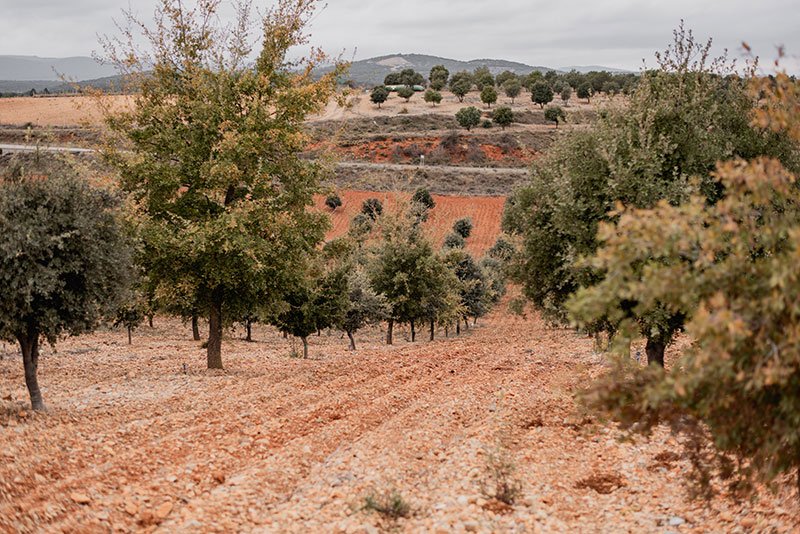
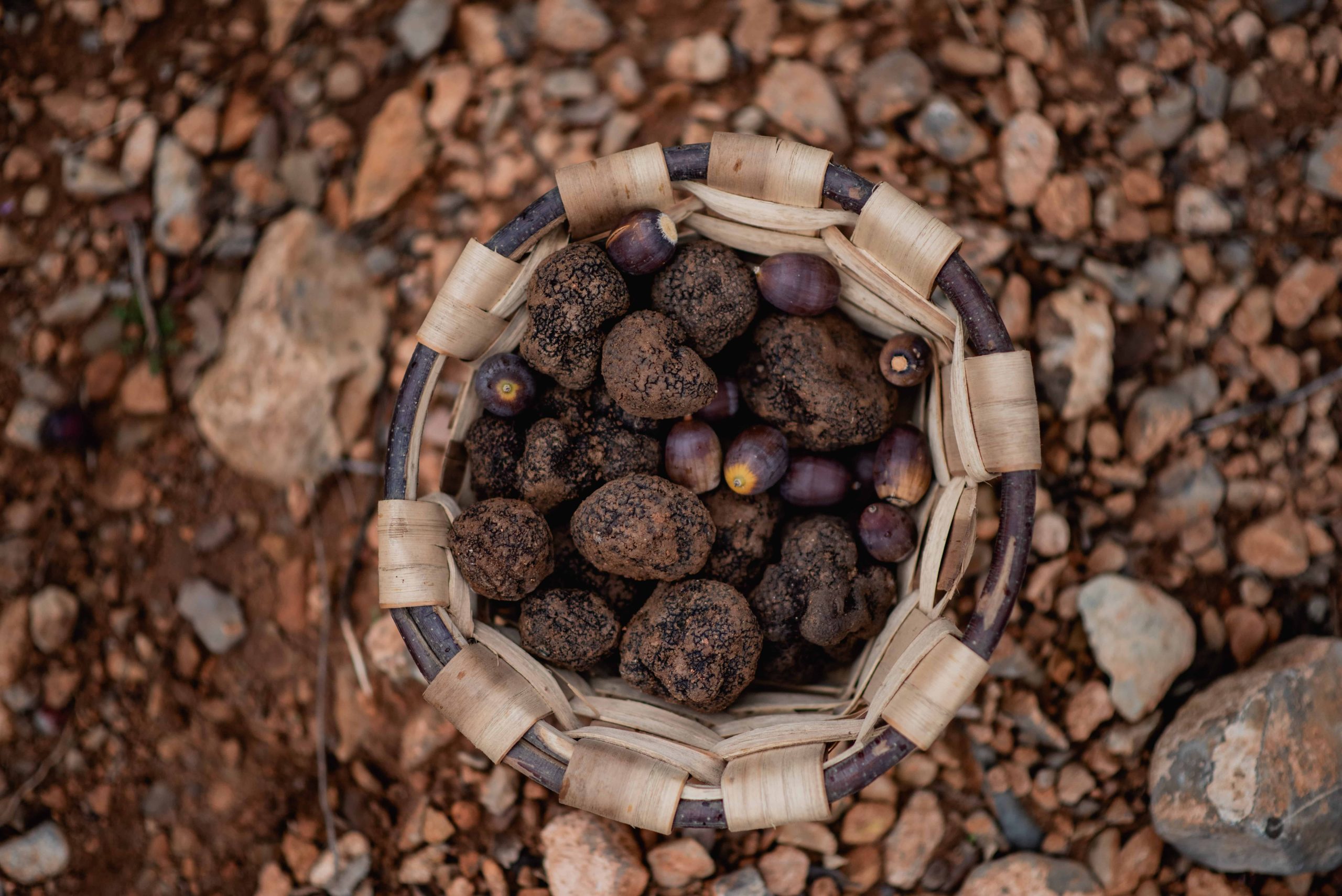
If the supplier discusses Spanish production or harvesting, keep the present context in mind: almost 100% of the black truffle produced in Spain is cultivated rather than wild. That does not mean lower quality. The woodlands where truffles were traditionally gathered now produce very little, while truffle growing makes it possible to manage the soil, host trees and harvesting moment.
Ask for the variety to be stated clearly in the quotation, delivery note or product information. “Black truffle” as a commercial phrase may not be specific enough unless it is accompanied by the botanical name.
Check ripeness, aroma, firmness and condition
For a professional purchase, assess the lot rather than one isolated specimen. A properly selected fresh truffle should arrive firm, with a clean aroma typical of the variety, without soft areas or abnormal moisture. Its surface will naturally be irregular, but it should be correctly prepared for culinary use.
Aroma intensity depends on ripeness. Size alone is therefore not a guarantee of quality: a large but underripe truffle may be less interesting than a smaller one harvested at the right stage. Black truffle should not be associated with a bitter flavour either, because black truffle is not bitter.
Ask how the product is selected and what size tolerance the order may include. When visual presentation is essential —for example, slicing at the table— greater regularity may be useful. For grating or incorporating into a preparation, a less uniform appearance can be entirely suitable if variety, ripeness and aroma are right.
Choose the format according to its culinary use
Whole truffle gives the kitchen maximum freedom to choose the cut, but the largest pieces are not always necessary. Tell the supplier which part will be sliced, which will be grated and which recipes can use smaller or irregular pieces. Buying for a defined use lowers cost without diminishing the experience.
If you are buying outside the optimum period for fresh availability, or need a stable option for particular preparations, you may combine fresh planning with preserved formats. Do not treat the two as identical: texture, intensity and the best moment of incorporation differ.
The budget should also be reviewed when the order is placed. As this is a seasonal product, market conditions can change; this article explains why truffle prices vary throughout the year. Always request a current quotation and calculate cost using the actual planned dose per dish.
Secure delivery and traceability
Good selection loses its value if delivery does not protect the product. Confirm dispatch date, estimated transit time, packaging, temperature management and the procedure to follow if something goes wrong. For an event, avoid a delivery time with no margin to inspect the order, but do not store fresh product unnecessarily early either.
On arrival, check that the package is intact, the product matches the order and there are no signs of heat, excessive moisture or deterioration. The guide to how a truffle order should arrive provides a more detailed review. Keep the lot documentation and follow the supplier’s storage instructions.
In restaurants and catering operations, appointing one person to receive, weigh and record use is helpful. This makes it possible to compare grams purchased, grams used and waste, then adjust the next order with real data.
A short checklist before confirming
Make sure the proposal specifies variety, origin, format, quantity, size range where relevant, current price, delivery and storage conditions. Share the intended use and service dates as well. If any of those points is unclear, resolve it before payment or before the menu is finalised.
To prepare a professional purchase, explore Trufalia’s black truffle range and service and tell the team which dishes, quantities and dates you are planning. A precise conversation produces a more coherent solution than choosing by appearance or price alone.