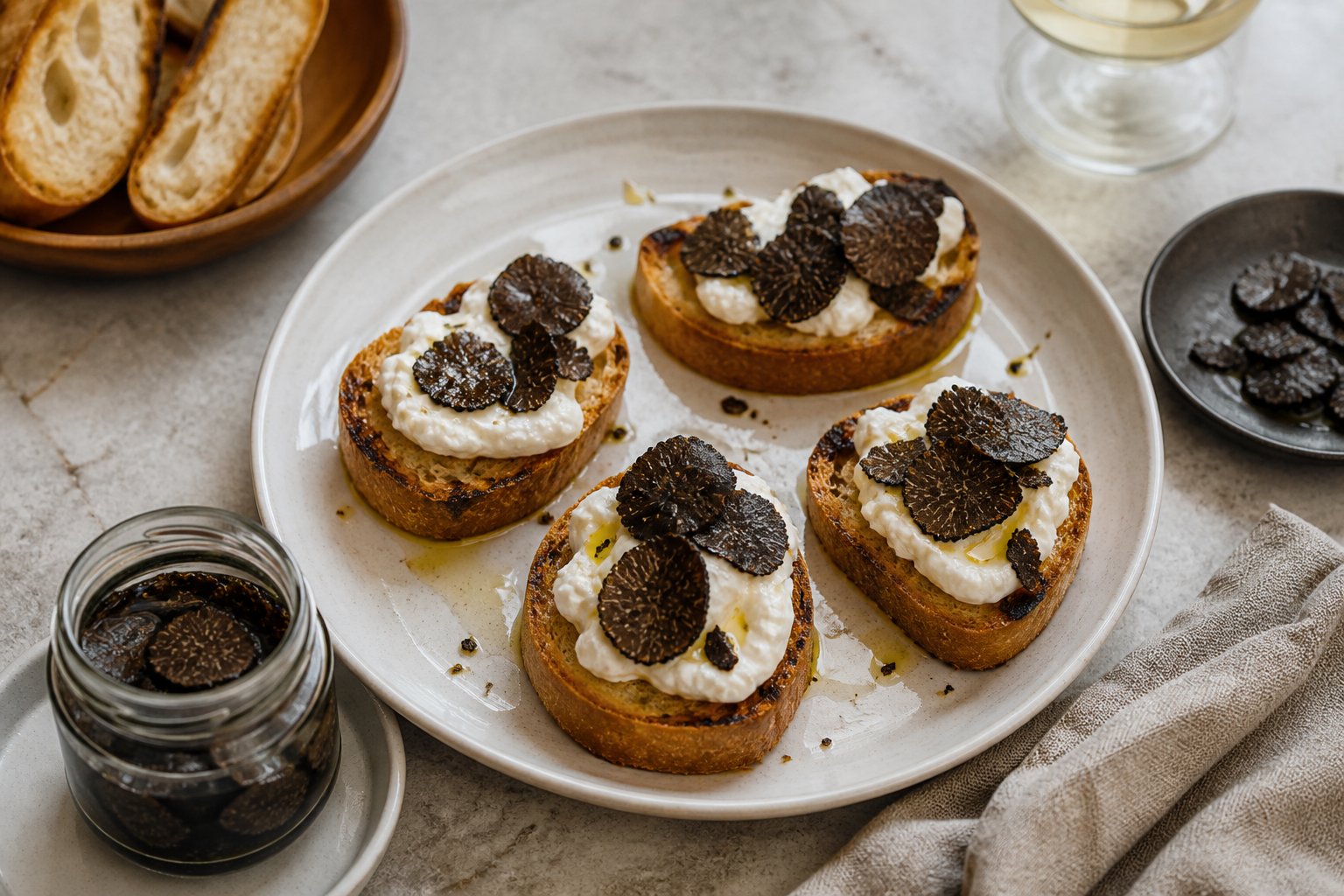
The liquid surrounding preserved black truffle is part of the product and can bring aroma to a recipe. Pouring it away when you open the jar means losing an opportunity to strengthen a sauce, soup, rice dish or stock. The key is to add it where it can blend with the other ingredients, without aggressively reducing it or expecting it to behave like a flavoured oil.
Always read the label first. Its composition, drained weight and storage instructions are the reference for that particular product. Then plan the recipe so that you use both the truffle and its juice, and use clean utensils if you are not going to use the full jar at once.
What is the juice in a preserved truffle jar?
During preservation, the truffle is kept with a liquid that captures some of its aromatic character. It is not waste, but it is not an ordinary stock or a flavoured fat either. Its intensity can vary with the product and the amount used, so taste it before adding salt or correcting a sauce.
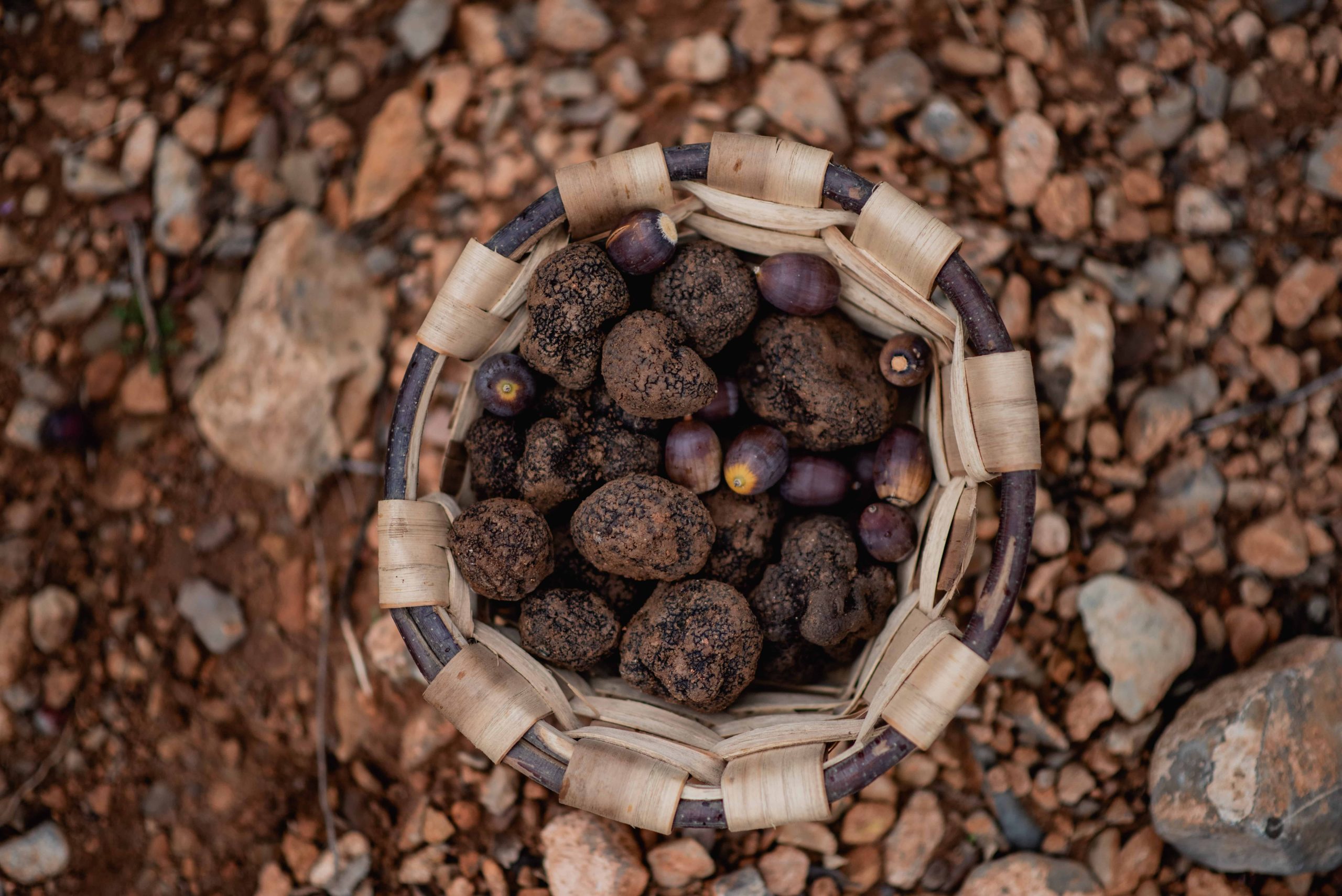
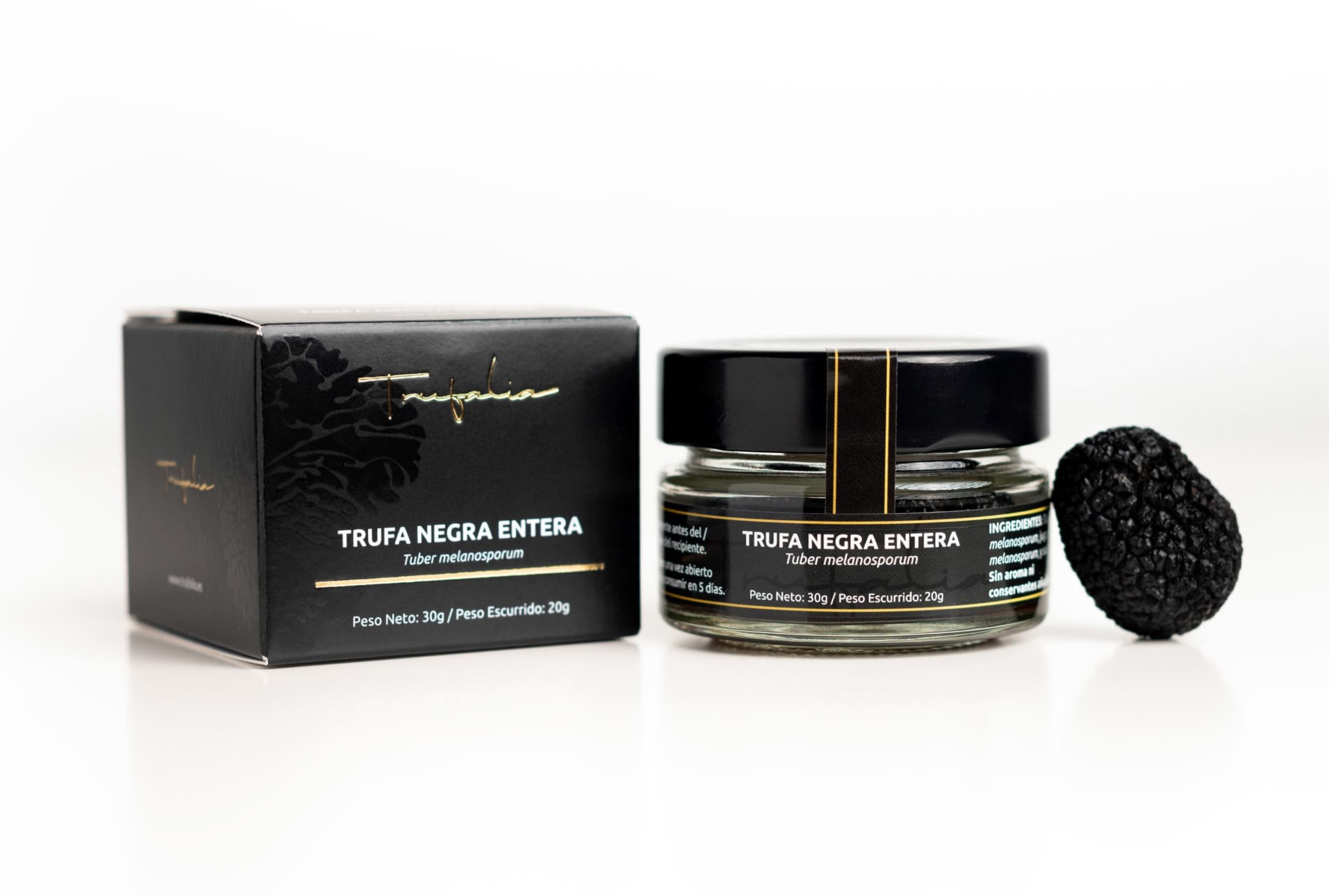
With black truffle, the variety matters. Trufalia works with Tuber melanosporum Vitt., recognisable by its dark flesh with pale veins and its characteristic aroma. The liquid should be treated as a complementary ingredient from that truffle, not as a replacement for the entire preparation.
Set the juice aside in a clean container while you slice or grate the truffle. If the dish allows it to be added in two stages, use one portion to bind the flavours and reserve a little for a final aromatic adjustment.
Add it to gentle sauces and emulsions
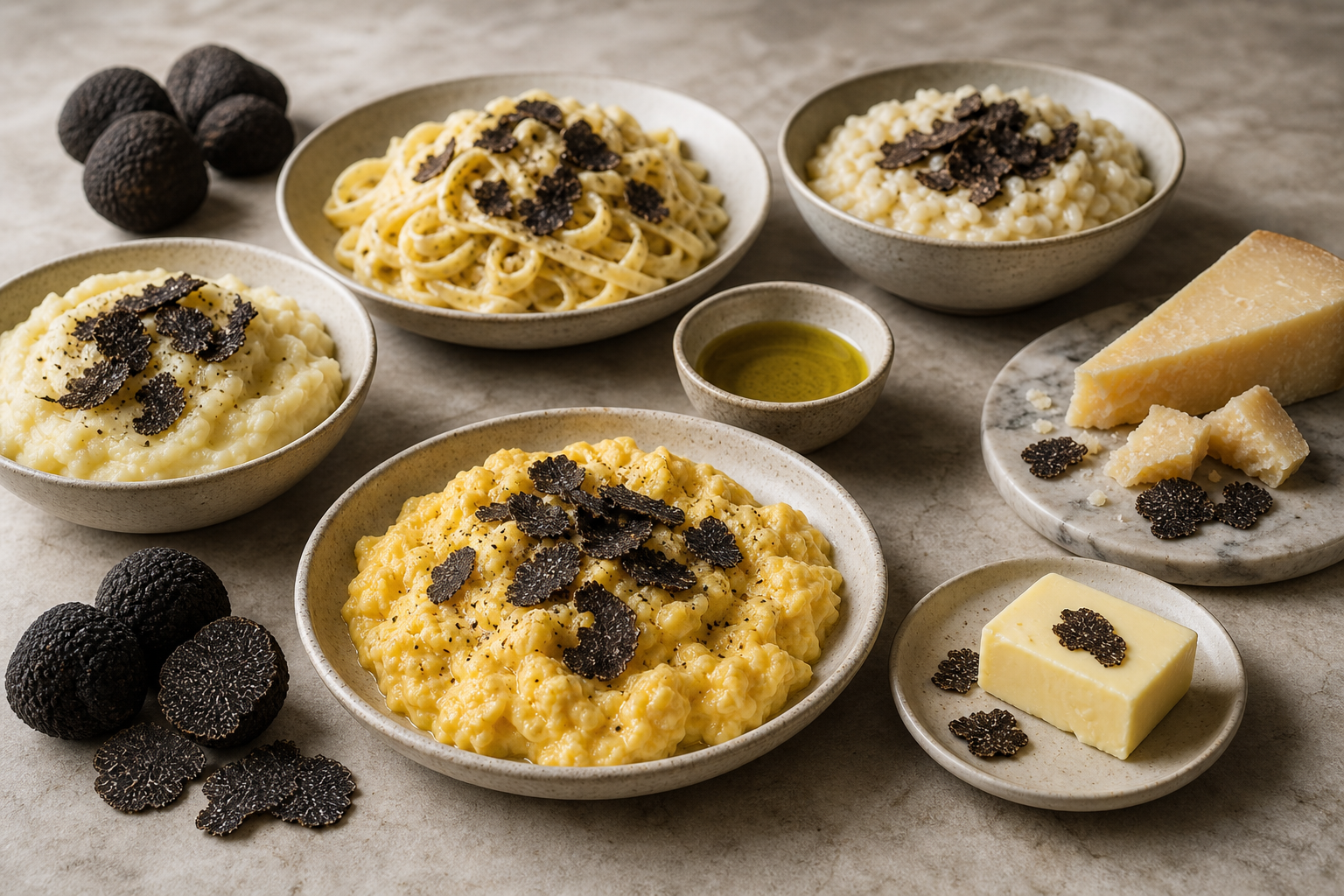
Sauces made with butter, cream, mild cheese or egg yolk provide a suitable base because fat helps carry the aroma. Add the juice when the sauce is almost at its final texture and avoid boiling it for a long time. Prolonged, intense heat can remove nuances before the dish reaches the table.
It can also be mixed into a low-acid vinaigrette or a warm emulsion. Start with a moderate quantity, combine, taste and adjust. It is better to add the juice gradually than to lose it in an excessively large preparation.
For more ideas about these techniques, read how to use black truffle in oils and sauces. Although the preserving juice is not an oil, both can play a role in a sauce when fat, salt and temperature are kept in balance.
Bring depth to soups, creams and purées
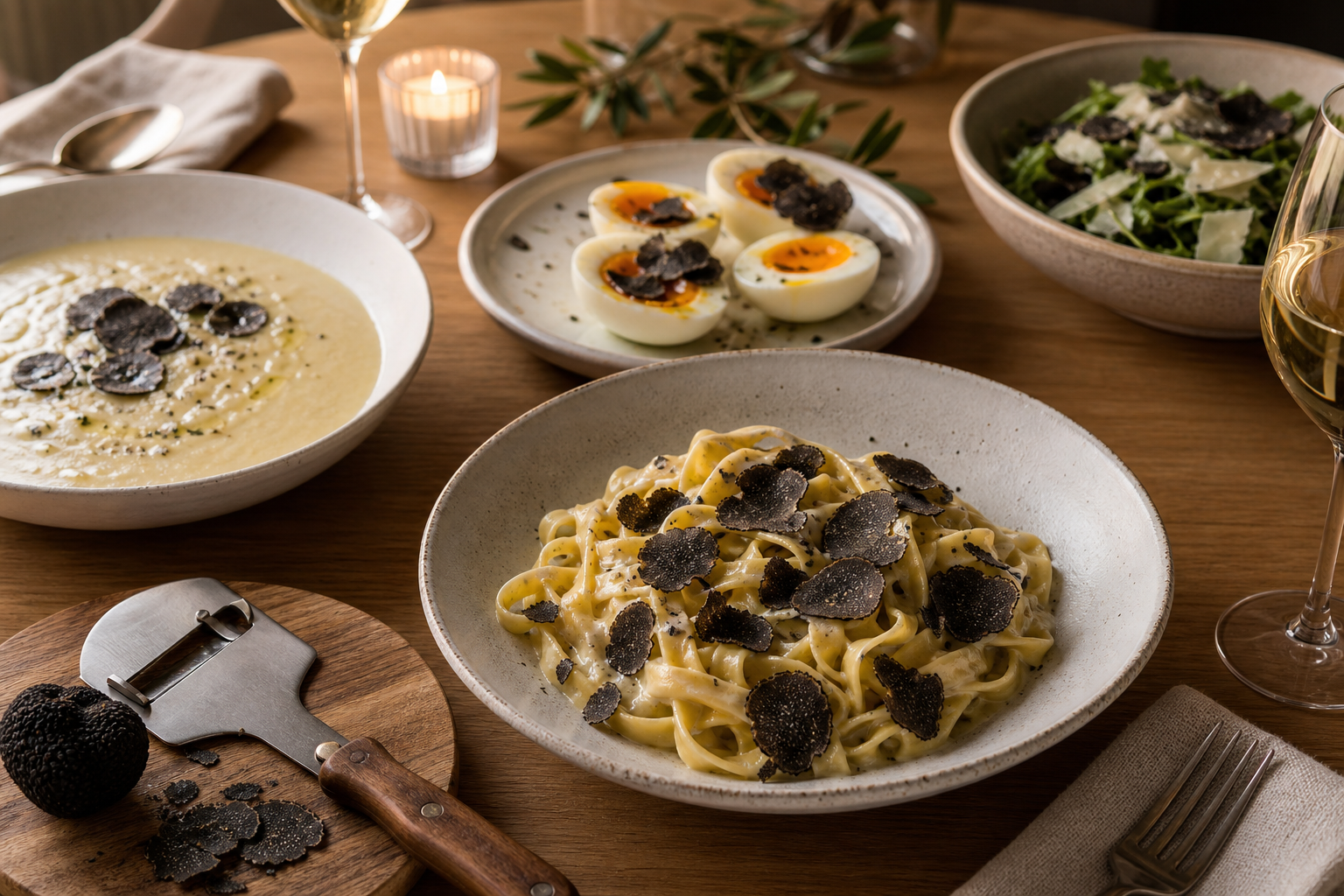
A smooth potato, celeriac, mild pumpkin, leek or mushroom soup can receive the juice after blending and away from a vigorous boil. This distributes it evenly without cooking it for the whole recipe. In a purée, stir it through just before making the final texture adjustment with butter or cream.
The same principle works with thickened soups and delicately flavoured pulses. Remove a small portion, add the juice and taste before deciding whether to mix it into the whole pan. This prevents other ingredients —a very concentrated stock, smoke or too many spices— from obscuring the aroma.
The guide to black truffle in soups and spoon dishes suggests culinary bases that accept this type of finish. The purpose is not to make every component taste the same, but to let the juice connect the base with the truffle added at the end.
Use it to finish rice, pasta and meat juices
In a risotto, add the truffle juice with the butter or cheese at the finishing stage, once the rice is cooked. With pasta, combine it with a little cooking water and the fat in the sauce to create an emulsion. In both cases, keep the chopped or grated truffle for the last moment and limit prolonged exposure to direct heat.
Do not pour it into a meat stock at the start of a long reduction. Reduce the base first, take it off the heat and then add the preserving juice. This gives you more control over concentration and avoids turning an aromatic ingredient into an overly salty or flat liquid.
A small amount can also be used to deglaze a pan gently after it has been removed from the heat, provided there are no burnt residues. Use the resulting liquid to finish potatoes, eggs or a vegetable garnish.
Coordinate the juice with the truffle in the jar
The best use comes from giving each component a job. The juice spreads through the base while the truffle provides texture, visual presence and a final aromatic lift. Finely chop one portion into the sauce and reserve the most regular slices for the top of the dish.
Where a recipe needs very even distribution, fine grating or chopping helps every serving receive some truffle. This guide to using grated truffle explains how to control the moment of incorporation and prevent heat from reducing its expression.
Taste the finished dish before serving. The juice may contain salt, and the recipe may already include cheese, stock or salted butter. A final adjustment keeps a well-designed dish from becoming unbalanced.
Mistakes that waste the juice or its aroma
The first mistake is pouring the liquid down the sink while draining the truffle. Avoid reducing it alone into a very intense concentrate, adding it to a pot at the start or mixing it without tasting into an already salty base. It should not be stored indefinitely either: once the jar is open, follow the conditions and time stated on its label.
Do not put a utensil that has touched other food back inside the jar. If a small quantity remains, decide immediately which sauce, soup or side dish will use it. Giving it a purpose is the simplest way to prevent it being forgotten.
Trufalia’s whole preserved black truffle lets you treat the truffle and its juice as two complementary resources. Plan both from the beginning to make better use of the jar, reduce waste and keep the character of black truffle clear in the finished dish.