A fresh black truffle starts changing as soon as it is harvested. It may lose some moisture and aroma over time without necessarily being spoiled. The important thing is to distinguish this normal evolution from signs that mean it should not be eaten. To do so, check its aroma, firmness, surface and, immediately before cooking, its inside.
A visual check at home can reveal obvious problems, but it cannot guarantee food safety on its own. Do not taste a truffle to find out whether it is sound. If you see mould, a slimy surface, collapsed tissue or notice an unpleasant smell, discard it. If you have doubts as soon as it arrives, keep the packaging and contact the supplier.
Start by comparing it with its condition on arrival
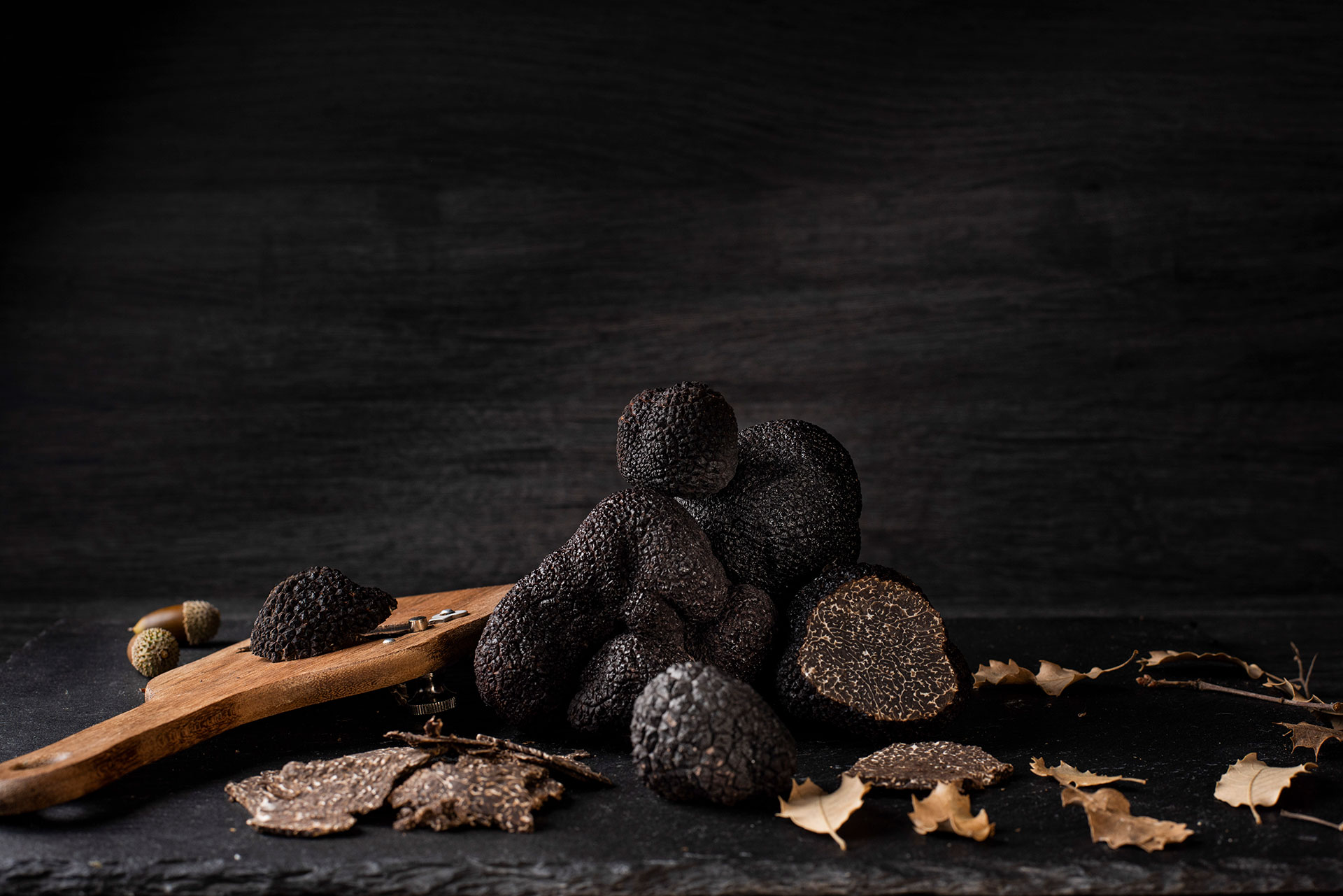
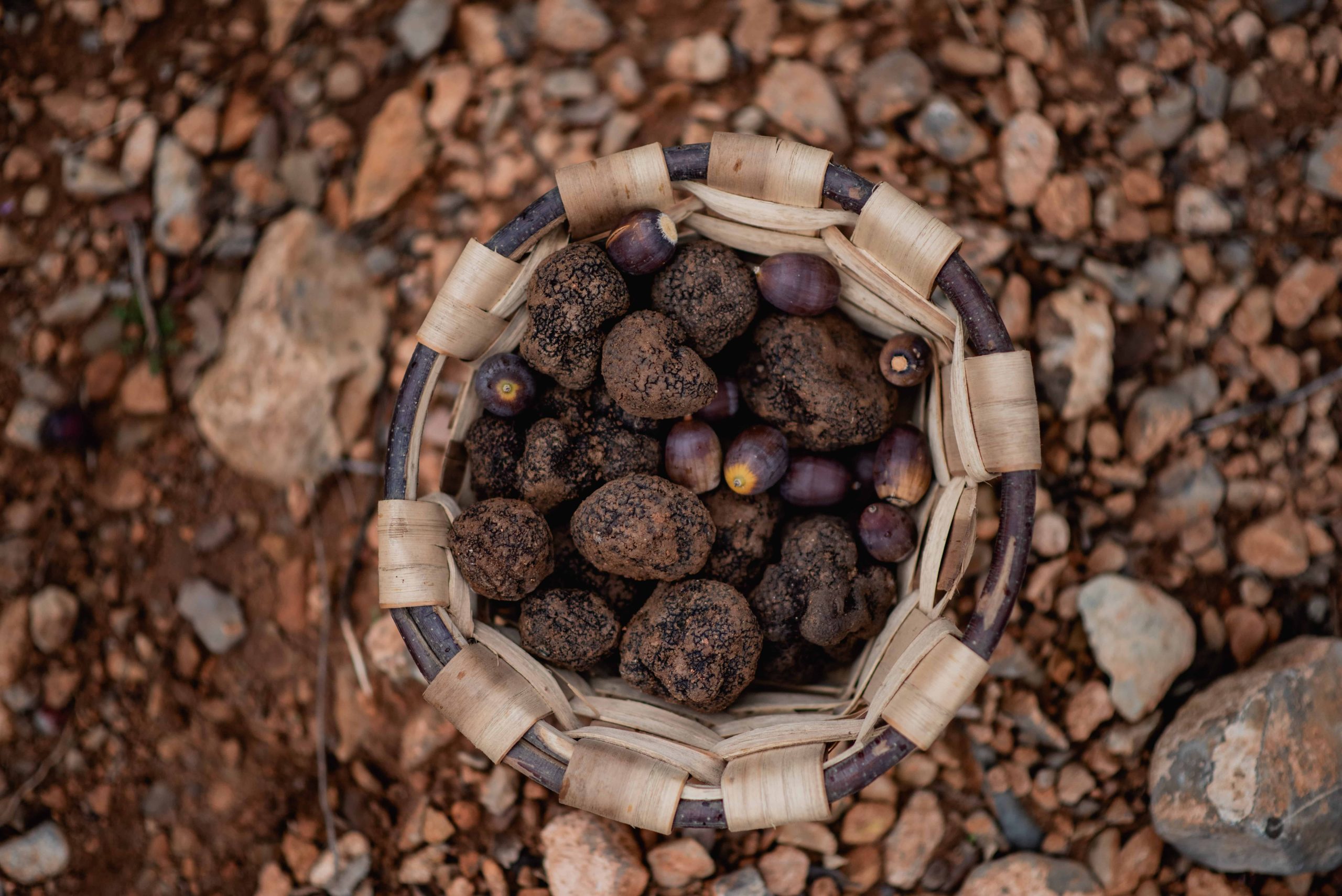
Your best point of reference is the truffle when you received it. A fresh Tuber melanosporum Vitt. should arrive clean or prepared as advertised, properly protected and without serious impact damage. Its exterior is dark, uneven and firm, while its aroma is complex and intense, rather than sour or putrid.
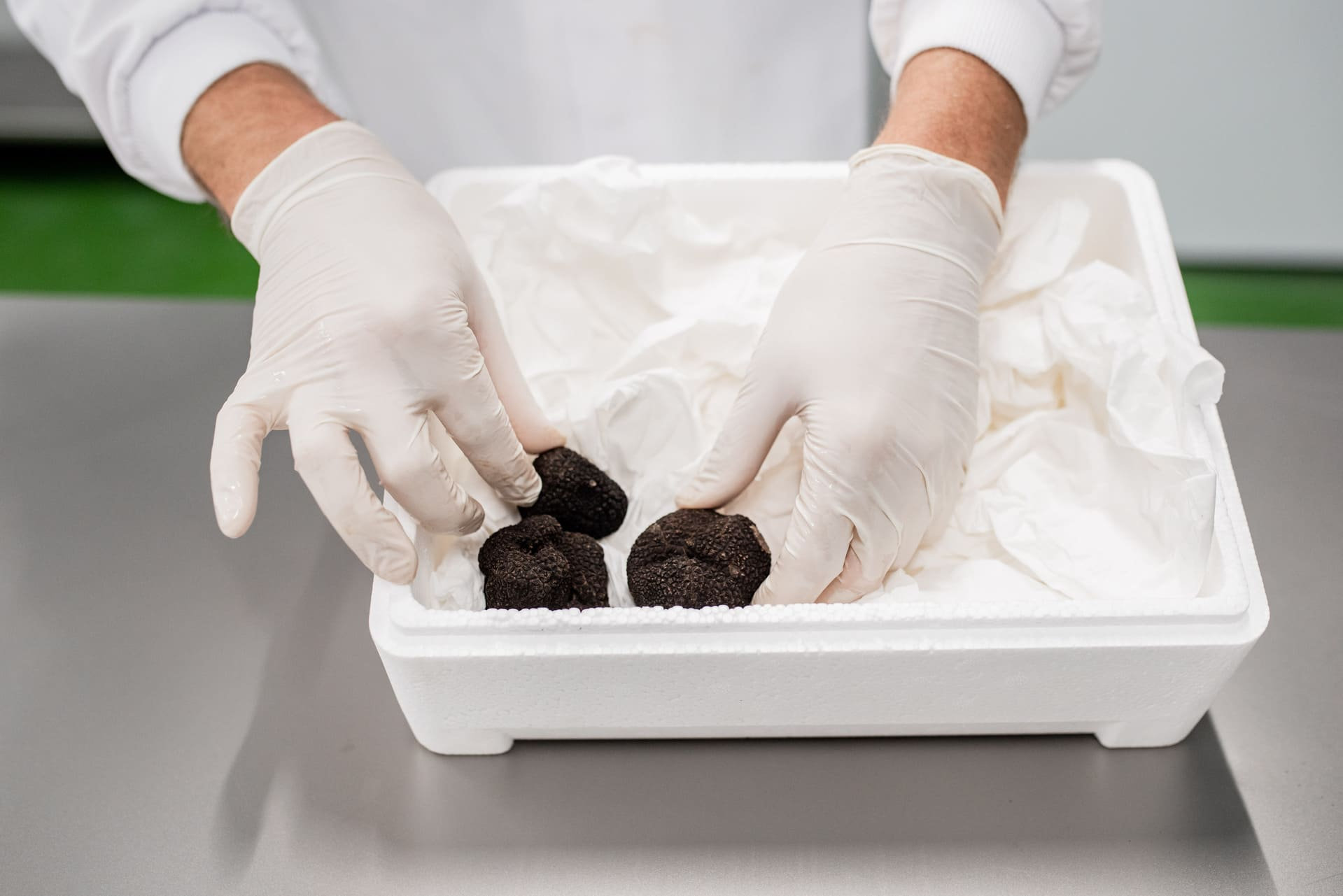
Inspect the parcel when you open it and note the date. If you buy online, this guide to how a truffle order should arrive at your home will help you check the packaging, temperature and overall condition. This first inspection makes it easier to tell whether the truffle has changed gradually or whether a problem was already present at delivery.
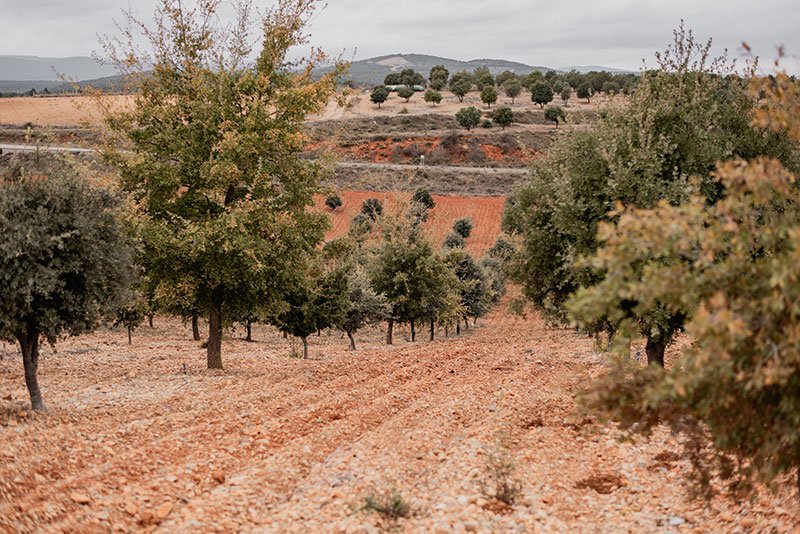
Almost all the black truffle produced in Spain today comes from cultivated plantations, not from the wild. This does not mean lower quality: the woodland areas where it was once collected now produce very little, while cultivation makes it possible to manage the ground and harvest the truffle when it reaches maturity.
Changes that may be normal over time
A slight loss of weight or a modest reduction in firmness may simply be due to water loss. It is also normal for the fragrance to become less expansive as the days pass. At that stage, the truffle may have lost some culinary quality without yet showing clear signs of spoilage.
What matters is the extent and combination of those changes. A truffle that is slightly less taut but dry to the touch, clean-smelling and free of suspicious marks is not the same as one that is damp, slimy and unpleasant-smelling. Do not judge it by one isolated detail: assess the whole truffle and consider how long it has been since delivery.
Storage affects this evolution. Maintain the cold chain and follow the supplier’s instructions. If you need to review the method, see how to preserve black truffle. Repeated handling, leaving it at room temperature or trapping it with excessive moisture will accelerate the loss of quality.
Signs that mean you should not eat it
Visible mould or a slimy surface
Mould appears as a fuzzy or cotton-like growth on the surface and should not be confused with the natural veins inside the truffle. With a fresh, moist food, removing the visible patch is not enough: if mould is present, do not eat the truffle. A sticky or slimy film that returns after gently drying the surface is also a warning sign.
Do not bring a mouldy truffle close to your nose to smell it. Handle it as little as possible, keep it away from other foods and clean the container in which it was stored. If several truffles shared the container, examine each one rather than assuming they are all in the same condition.
An excessively soft or collapsed texture
A fresh truffle should offer some resistance when pressed very gently. A small reduction in firmness may indicate dehydration, but a truffle that is excessively soft, sunken or has areas that yield like pulp has moved beyond that normal change. Damp cracks, deep bruising and leaking liquid further support the decision to discard it.
A sour, ammonia-like or putrid smell
The authentic aroma of Tuber melanosporum Vitt. is intense and may be difficult to describe, but it should not smell of putrefaction, unpleasant fermentation or ammonia. A persistent abnormal smell is reason enough not to use the truffle, even if its exterior looks acceptable.
If you find it difficult to distinguish a powerful fragrance from spoilage, compare it with a freshly delivered truffle and review the characteristics of its authentic aroma and flavour. Black truffle of this species does not have a bitter taste; nevertheless, tasting it is not an appropriate way to test its condition.
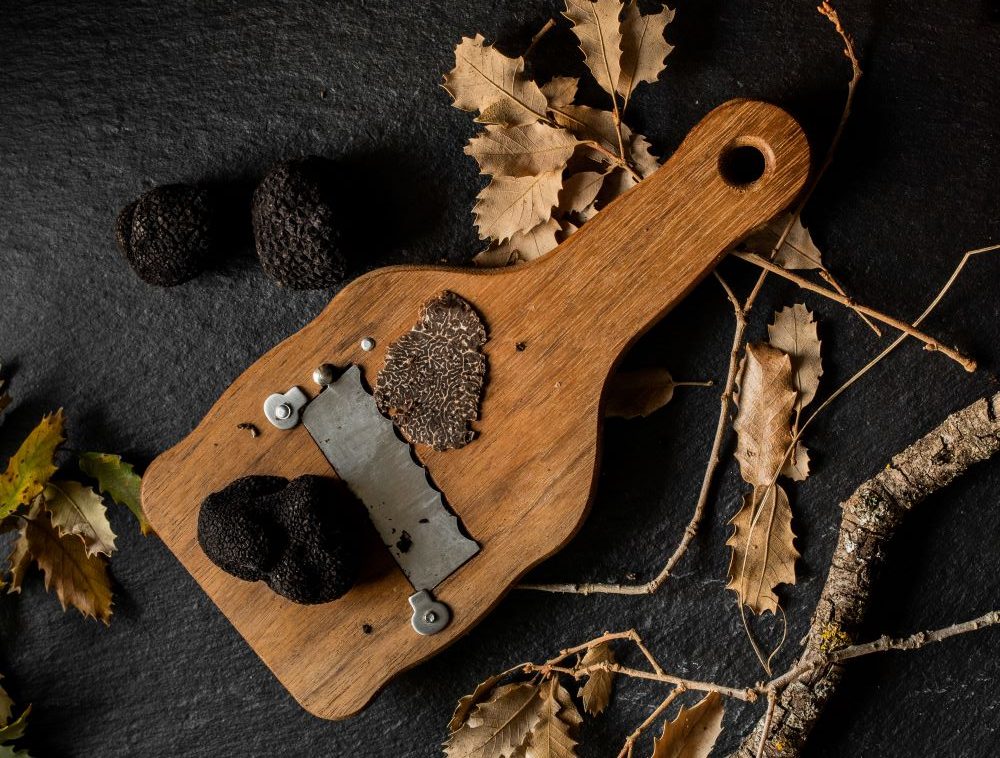
What the inside should look like when cut
Only cut the truffle when you are ready to cook it, using a clean knife. A mature Tuber melanosporum Vitt. has a dark brown to black interior crossed by fine, pale veins. Together with the aroma, this appearance helps to confirm the species and degree of maturity.
A clearly white or beige interior is not what you would expect from a mature black truffle of this variety. It may be another species or an immature specimen, so the product identification should be checked. If the tissue is watery or disintegrating, contains damp cavities or smells unpleasant, do not try to salvage it by trimming only the damaged area.
How to check it without accelerating deterioration
Keep the inspection brief and orderly. Look at the surface, touch it gently just once and assess the aroma without keeping the truffle out of the refrigerator longer than necessary. Use clean utensils and promptly return any truffles you are not cooking to the recommended storage system.
If you have several, use first those that are slightly less firm but remain dry, clean and correctly scented. This reduces waste without leaving the most advanced pieces until last.
If in doubt, take the cautious approach
A less aromatic truffle may produce a subtler culinary result; a truffle showing signs of spoilage should not be used. Culinary quality and food safety are not exactly the same, although some signs can help you assess both. Do not try to recover a questionable truffle by washing or cooking it, or by masking its smell with other ingredients.
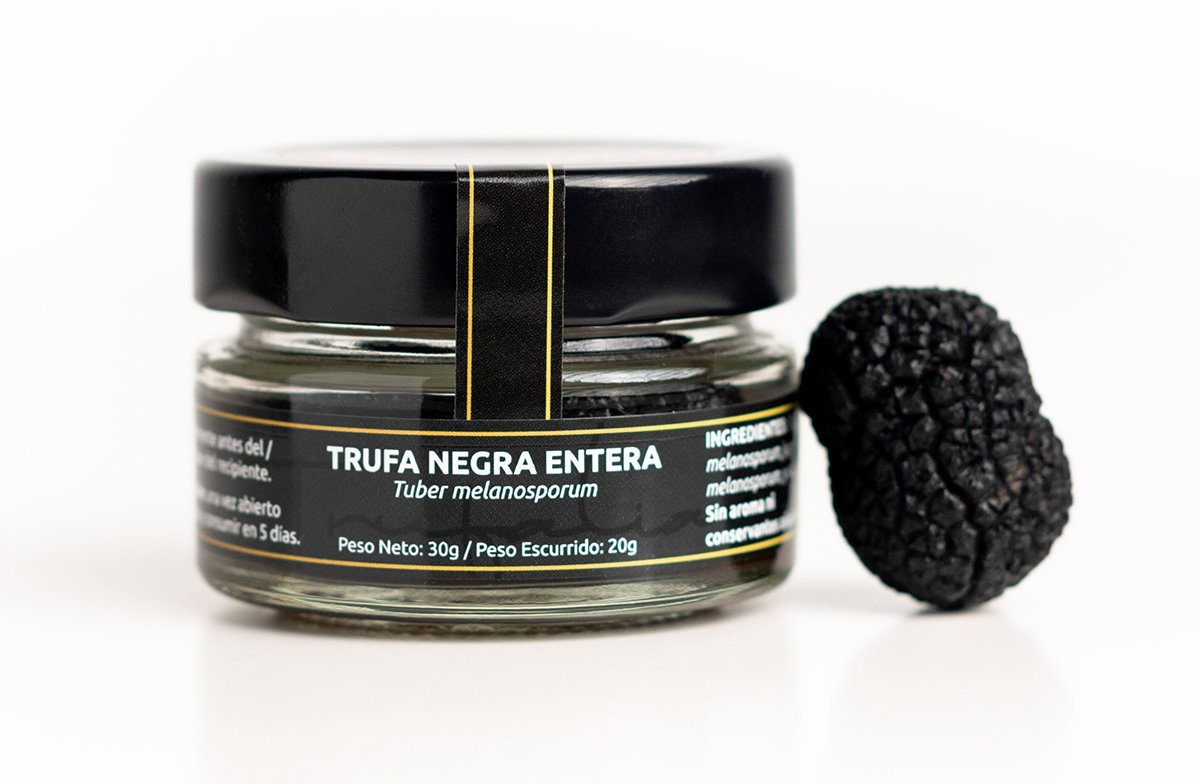
If you are looking for seasonal produce and advice on formats, quantities or delivery, explore Trufalia’s black truffle range. Planning the purchase properly, checking the product on arrival and using it without unnecessary delay are the best ways to enjoy its aroma and avoid waste.